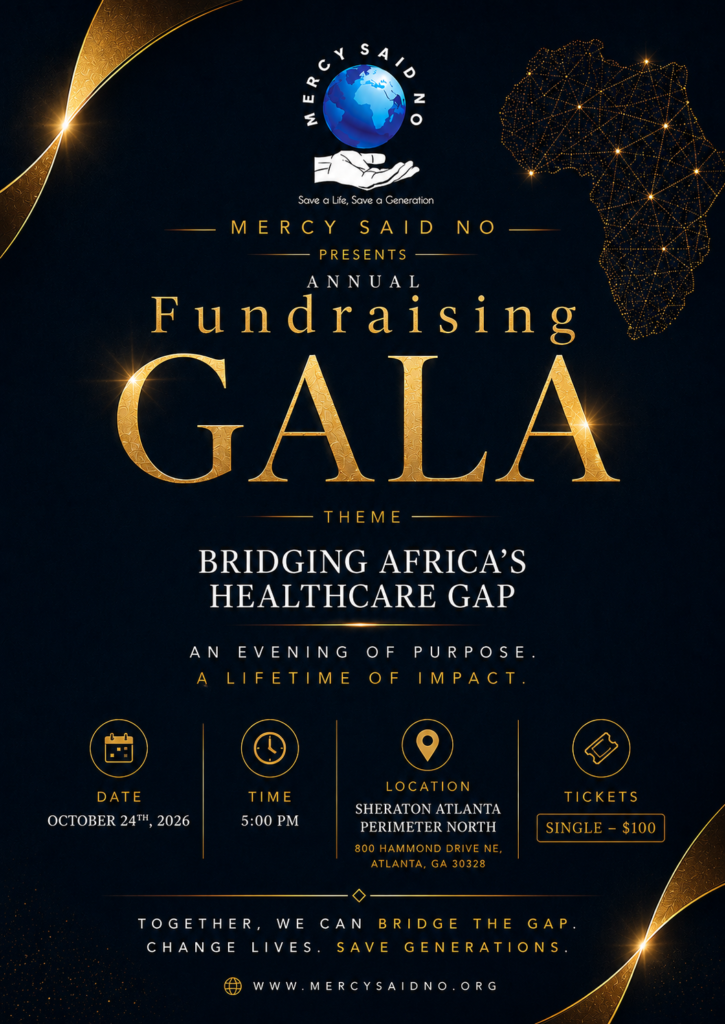
Why Every Donation Matters: Turning Generosity into Lifesaving Impact
Over 75,000 lives have been touched through the medical outreaches of Mercy Said No, but behind every number is a name, a family, and a future that has been restored. Each donation is not simply financial support; it is a direct response to one of the most urgent healthcare gaps of our time.
Across Africa, access to quality healthcare remains a persistent challenge. According to the World Health Organization, the continent carries approximately 24% of the global disease burden but has access to only about 3% of the world’s health workforce. This imbalance creates a system where millions of people are left without timely or adequate care. Further projections from the World Health Organization indicate a shortage of over 6 million health workers across Africa by 2030, a gap that continues to widen as populations grow and healthcare demands increase.
Nigeria reflects this disparity at scale. As Africa’s most populous country, it faces immense pressure on its healthcare system. According to a report by the World Bank, Nigeria has fewer than 2 skilled health workers per 1,000 people, falling significantly below the recommended threshold needed to deliver essential health services. The United Nations Children's Fund further highlights that millions of Nigerians, especially those in rural and underserved communities, still lack access to basic healthcare services, contributing to high rates of preventable illnesses, maternal mortality, and child health challenges.
In many cases, healthcare is not just unavailable, it is unaffordable. According to the World Bank, a significant portion of healthcare spending in Nigeria is paid out-of-pocket, forcing families to delay or completely forgo treatment. This reality turns manageable conditions into life-threatening situations and places immense pressure on already vulnerable households.
These are not just statistics. They represent real people, parents, children, and the elderly, navigating life without the assurance of care.
This is where organizations like Mercy Said No step in, not as replacements for national systems, but as critical bridges that bring immediate relief while broader solutions continue to develop.
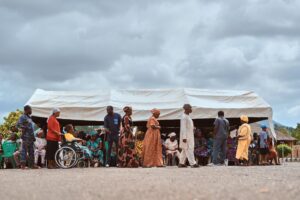
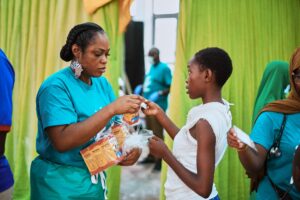
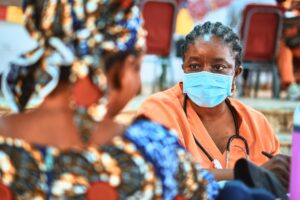
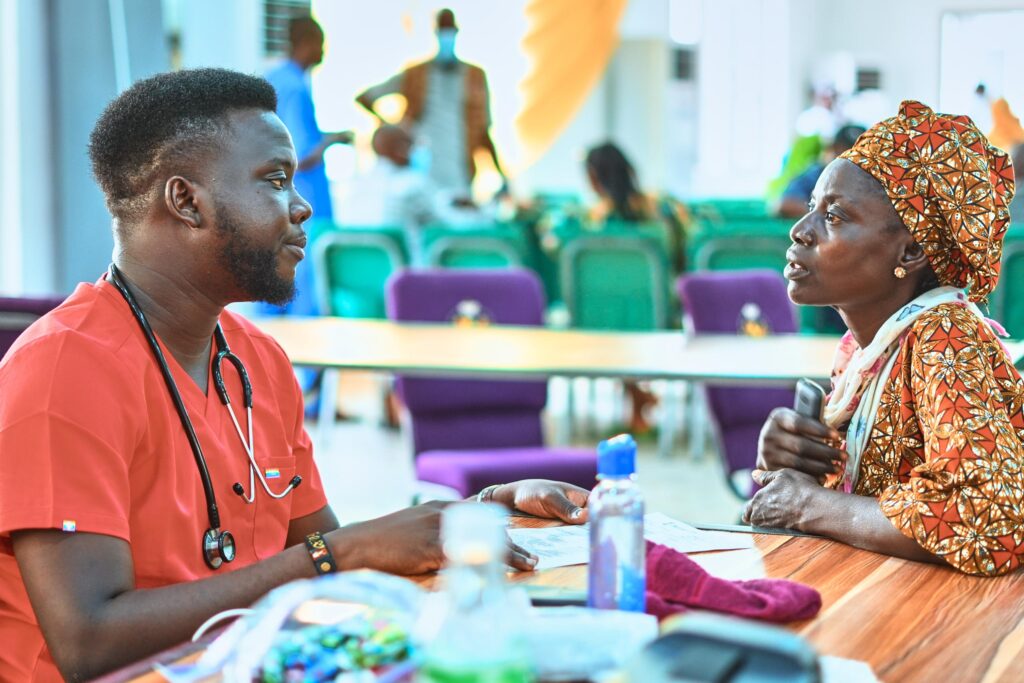
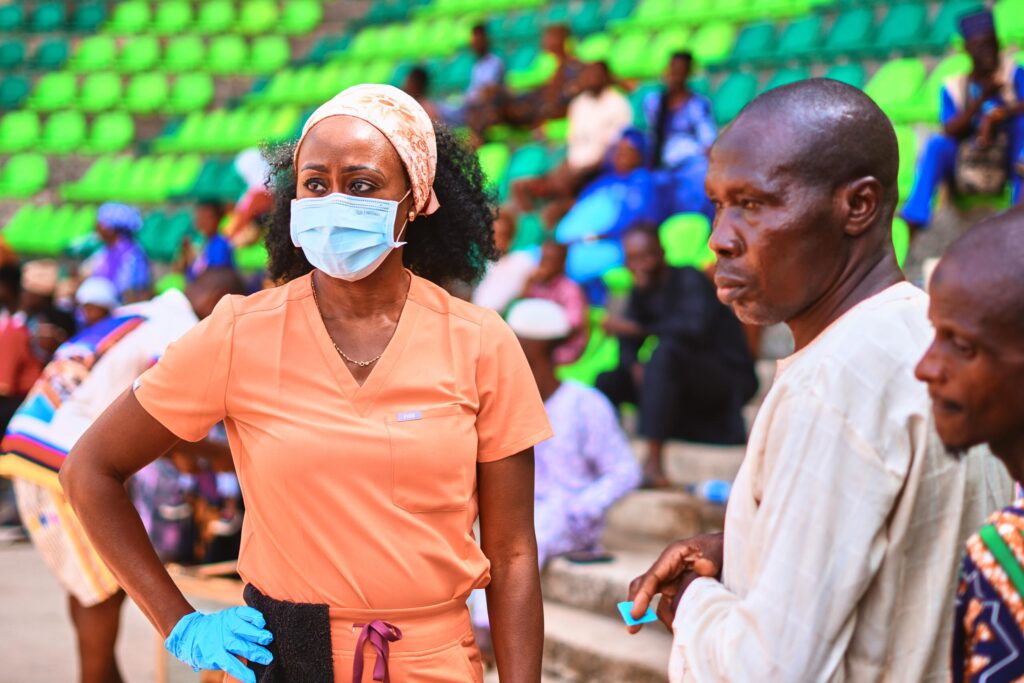
Through medical missions, healthcare is taken directly to the communities that need it most. Doctors, nurses, medications, screenings, and health education are delivered to places where access is limited or nonexistent. These interventions do more than treat illness, they prevent complications, restore dignity, and offer hope in environments where it is often scarce.
And this is where each donation becomes powerful.
A single contribution can provide medication for a patient who has endured untreated illness for years. It can fund screenings that detect conditions early, preventing long-term complications. It can support logistics that bring healthcare teams into remote areas. It can mean the difference between prolonged suffering and timely care.Every dollar moves.
Every contribution translates into action.
But beyond immediate impact, donations also support something deeper, continuity. They ensure that care is not a one-time encounter, but part of an ongoing effort to reach more communities, treat more patients, and build trust where it is needed most.
At the same time, addressing the healthcare gap in Africa and Nigeria requires long-term, systemic solutions. While outreach missions provide critical short-term relief, sustainable progress depends on strengthening the foundations of healthcare systems. This includes investing in the training and retention of healthcare workers, improving infrastructure in rural and underserved areas, expanding health insurance coverage to reduce out-of-pocket costs, and increasing government funding toward primary healthcare. Partnerships between governments, NGOs, and private institutions are also essential to scale impact and ensure continuity of care.
Organizations like Mercy Said No play a vital role within this broader ecosystem, responding to urgent needs while contributing to awareness, advocacy, and community-level health education. They help bridge the gap today, while supporting the vision of a more accessible and equitable healthcare system for the future.
The truth is simple: healthcare gaps are not abstract, they are deeply human. They are felt in the mother who cannot afford treatment for her child, in the elderly patient who has lived with untreated illness for years, and in communities where care remains out of reach.
Each donation steps into that gap.
It becomes medicine in a patient’s hand.
It becomes relief in a moment of pain.
It becomes hope where there was none.
And when multiplied, through collective generosity, it becomes something even greater: a force for lasting change.
Because in the end, every contribution matters not for its size, but for its impact. And in places where the need is greatest, that impact is nothing short of life-changing.
Closing the healthcare gap requires more than awareness, it requires action. Every contribution to Mercy Said No directly supports the delivery of medical care to underserved communities, funding essential medications, screenings, minor surgeries, Dental and eye care and other outreach efforts where they are needed most. What may seem like a small donation can translate into treatment for a patient, early diagnosis for a child, or relief for a family that would otherwise go without care.
Sustained impact is built through consistent support. By choosing to give, you become part of a larger effort to extend access, restore dignity, and strengthen communities. Each donation is a practical step toward closing the gap, one life, one community, and one mission at a time.